

Quick Guide to Spearfishing for Beginners
- Essential Gear: Wetsuit, mask, fins, speargun, dive knife
- Key Skills: Breath-hold techniques, underwater navigation, fish identification
- Best Places to Learn: Delphy Pool, Cornwall (for UK-based beginners)
- Safety First: Always dive with a buddy, know your limits
- Legal Considerations: Check local regulations, respect marine protected areas
- Sustainability: Practise selective harvesting, respect size and bag limits
Are you ready to dive into the exciting world of spearfishing? Whether you’re looking for a new outdoor adventure or a sustainable way to catch your own dinner, spearfishing offers a unique blend of sport, skill, and connection with nature. But where do you start? Don’t worry, we’ve got you covered with this comprehensive guide to spearfishing for beginners, including information on spearfishing courses, classes, and training options.
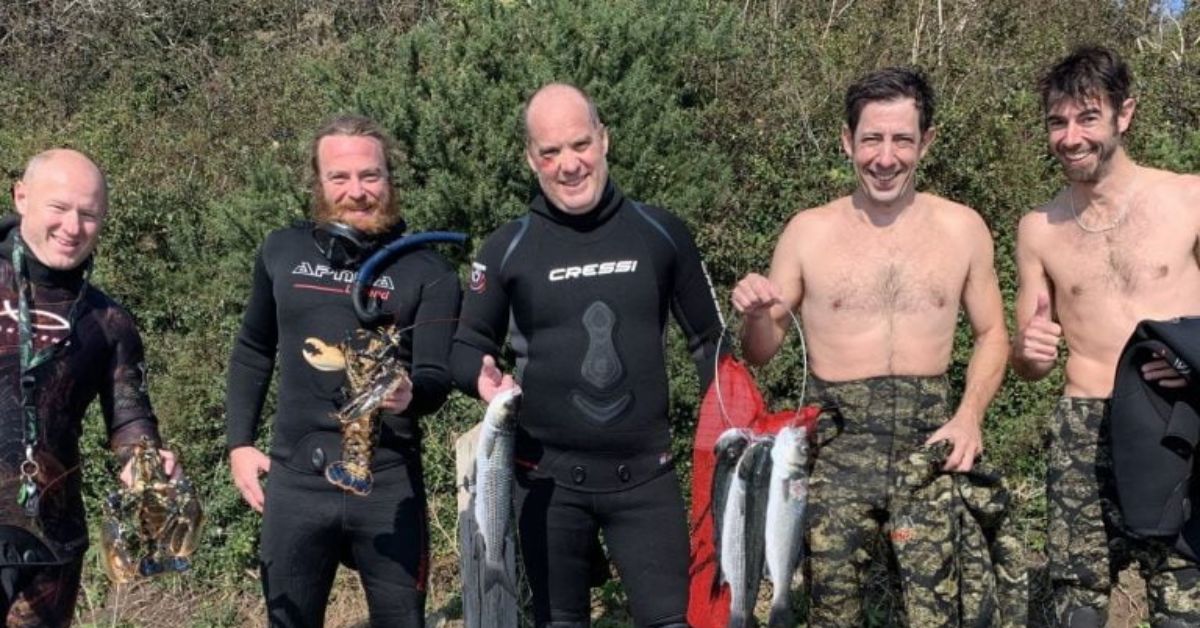
Why Take a Spearfishing Course?
Before we dive into the tips, let’s talk about why taking a spearfishing course is so important for beginners:
- Learn proper techniques and safety protocols
- Gain confidence in the water
- Understand local marine life and ecosystems
- Meet other spearfishing enthusiasts
- Get hands-on experience with expert guidance
Now, let’s explore some essential tips to get you started on your spearfishing journey!
1. Master the Basics of Freediving
Spearfishing and freediving go hand in hand. Before you even pick up a speargun, it’s crucial to develop your breath-holding abilities and underwater comfort. Here’s what you need to focus on:
- Breath-hold techniques: Learn to safely increase your time underwater
- Equalisation: Master the art of equalising ear pressure as you descend
- Efficient swimming: Develop a smooth, energy-conserving finning technique
“The foundation of successful spearfishing is being a competent freediver. Focus on your diving skills before worrying about the hunt.” – Oliver Cacioppo, AIDA Master Instructor
2. Invest in the Right Gear
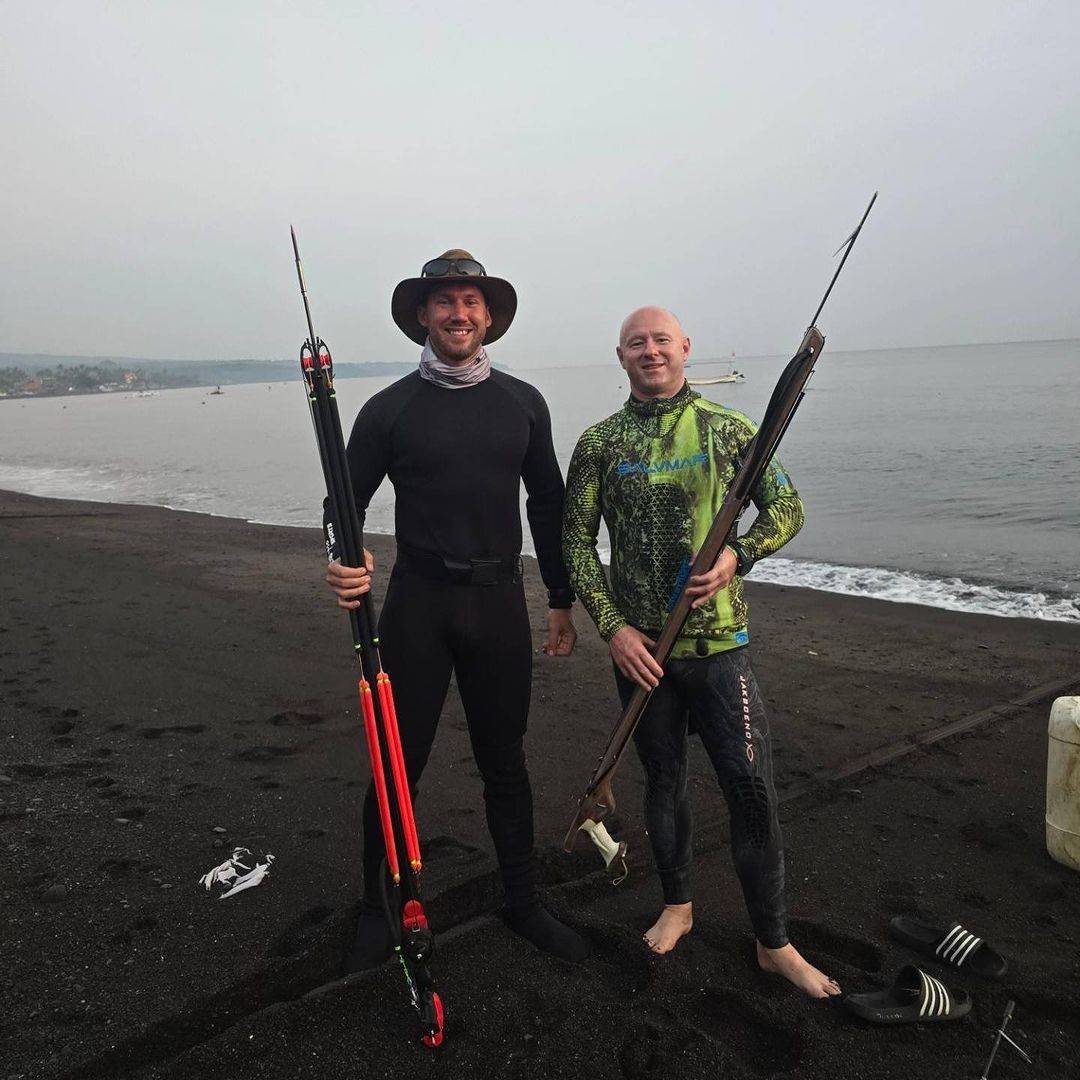
Having the proper equipment is essential for a safe and enjoyable spearfishing experience. Here’s a list of basic gear you’ll need:
- Wetsuit: Choose a thickness appropriate for your local water temperatures
- Mask and Snorkel: Opt for a low-volume mask for easier equalisation
- Fins: Long blade fins are ideal for spearfishing
- Speargun: Start with a smaller gun (75-90cm) for beginners
- Weight Belt: Helps achieve neutral buoyancy
- Dive Knife: Essential for safety and cutting line if needed
- Gloves: Protect your hands from sharp rocks and fish spines
- Float and Flag: Marks your position for boat safety
3. Find a Reputable Spearfishing Course
Taking a spearfishing course or spearfishing class is the best way to learn the sport safely and effectively. Here’s what to look for:
- Experienced instructors with proper certifications
- Small class sizes for personalised attention
- Comprehensive curriculum covering safety, techniques, and marine conservation
- Practical in-water training sessions
- Positive reviews from past students
If you’re in the UK, consider the courses offered at Delphy Pool. They provide excellent spearfishing training for beginners, including:
- One-Day Spearfishing and Foraging Adventure
- Two-Day Sustainable Spearfishing Course
- Three-Day Mastering Spearfishing Course
4. Practice, Practice, Practice
Like any skill, spearfishing takes time and practice to master. Here are some ways to improve your skills:
- Pool training: Work on your breath-hold and swimming technique in a controlled environment
- Dry fire practice: Practise aiming and triggering your speargun out of the water
- Shallow water sessions: Start in calm, shallow waters before progressing to deeper areas
- Join a club: Connect with experienced spearos who can offer advice and support
5. Understand Marine Life and Ecosystems
Responsible spearfishing involves more than just catching fish. It’s crucial to understand the marine environment you’re entering. Learn about:
- Local fish species, their behaviour, and habitats
- Sustainable fishing practices and size limits
- Marine protected areas and no-take zones
- The impact of spearfishing on marine ecosystems
“As spearfishers, we are guests in the ocean. It’s our responsibility to respect and protect the marine environment.” – Matt Hill, National Spearfishing Champion
6. Safety First: Always Dive with a Buddy
Safety should always be your top priority when spearfishing. Here are some key safety tips:
- Never dive alone: Always spearfish with a buddy who can watch your back
- Know your limits: Don’t push yourself beyond your comfort zone, especially when starting out
- Be aware of your surroundings: Watch for boat traffic, currents, and potential hazards
- Learn rescue techniques: Know how to assist your buddy in case of an emergency
- Carry safety gear: Bring a dive knife, whistle, and surface marker buoy
7. Understand Local Laws and Regulations
Before you head out spearfishing, make sure you’re familiar with local laws and regulations. This may include:
- Fishing licences or permits required
- Seasonal restrictions on certain species
- Size and bag limits for different fish
- Areas where spearfishing is prohibited
- Rules regarding the use of spearguns or other equipment
8. Start with Easy Targets
As a beginner, it’s important to start with easier targets to build your confidence and skills. Consider focusing on:
- Slower-moving fish species
- Fish that tend to stay close to structures (like rocks or reefs)
- Abundant species that are less wary of divers
Remember, it’s not about the size or number of fish you catch, but about developing your skills and enjoying the experience.
9. Learn to Read the Water
Successful spearfishing involves more than just diving and shooting. Learning to “read” the water can greatly improve your chances of a successful hunt. Pay attention to:
- Water clarity and visibility
- Current directions and strength
- Temperature changes (thermoclines)
- Structures that might attract fish (reefs, wrecks, drop-offs)
10. Embrace the Learning Process
Remember, becoming a skilled spearo takes time and patience. Don’t get discouraged if you don’t catch anything on your first few trips. Focus on:
- Improving your diving technique
- Observing fish behaviour
- Enjoying the underwater environment
- Learning from each experience
“Every dive is an opportunity to learn, whether you catch a fish or not. Embrace the process and enjoy the journey.” – Oliver Cacioppo, AIDA Master Instructor
Dive In and Enjoy!
Spearfishing is an exciting and rewarding sport that offers a unique way to connect with the marine environment. By taking a spearfishing course, investing in proper gear, and following these tips, you’ll be well on your way to becoming a confident and responsible spearo. Remember to always prioritise safety, respect the marine ecosystem, and enjoy the incredible world that spearfishing allows you to explore.
Whether you’re looking for spearfishing classes near me or considering a dedicated spearfishing course near me, taking that first step into formal training can make a world of difference in your spearfishing journey. So why wait? Dive in and start your spearfishing adventure today!
Interested in learning spearfishing, or are you already a seasoned pro? Join us at Delphy Pool to hone your skills and dive in to experience spearfishing like never before!
Frequently Asked Questions
Do you need a licence to spearfish in the UK?
No specific spearfishing licence is required in the UK for sea fishing. However, you must adhere to local regulations and respect marine protected areas. For freshwater spearfishing, which is generally not allowed, you would need a rod fishing licence.
How to get into spearfishing in the UK?
To get into spearfishing in the UK: 1. Take a spearfishing course or join a club 2. Invest in proper gear 3. Learn about local regulations and fish species 4. Practice freediving skills 5. Start in shallow, calm waters
How deep do you go spearfishing?
Spearfishing depths vary, but typically range from 5 to 20 metres for beginners. Experienced spearfishers may go deeper, but always within safe limits.
Do you need a wetsuit for spearfishing?
Yes, a wetsuit is essential for spearfishing in the UK due to the cold water temperatures. The thickness depends on the season and your cold tolerance
